Our regular hours.
9-5:30 M-Friday and 12 noon till 4 pm on Saturdays.
We also have a FREE 50 seat movie theater
It has a 22 minute show about how we make our gems!

The pictures are all taken by us.
The jewelry (excepting Peridot) contains gems that we manufacture in our factory.
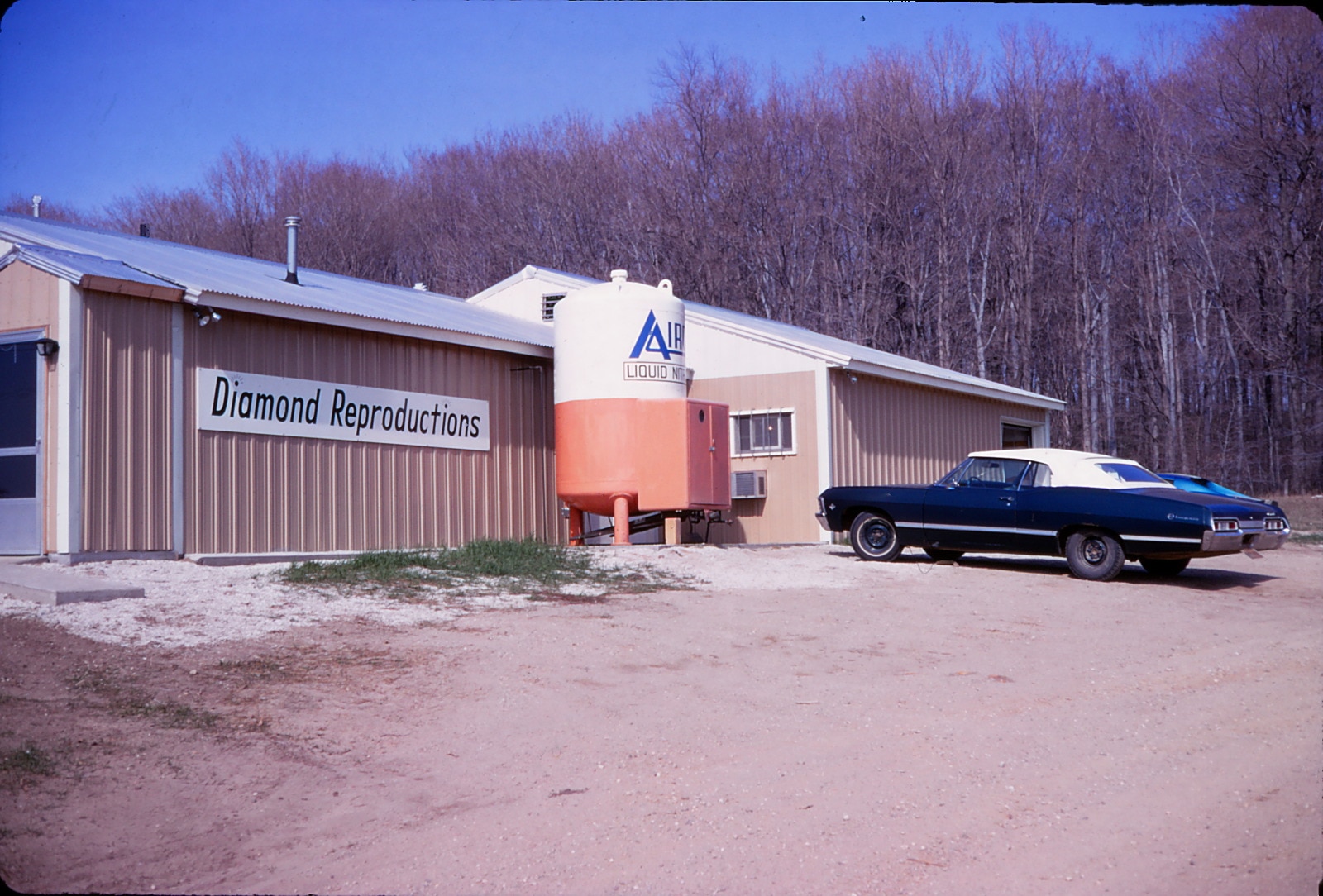
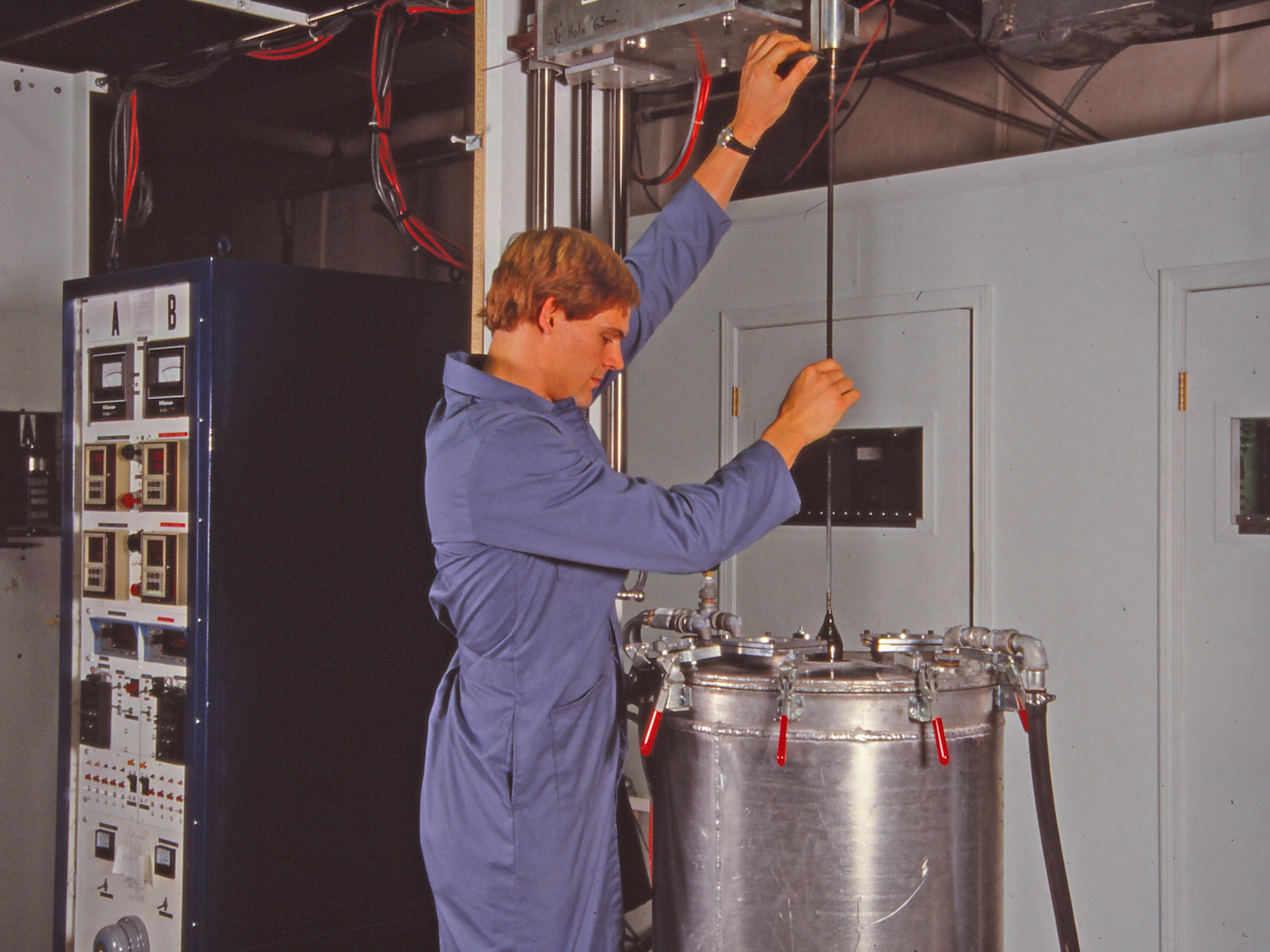
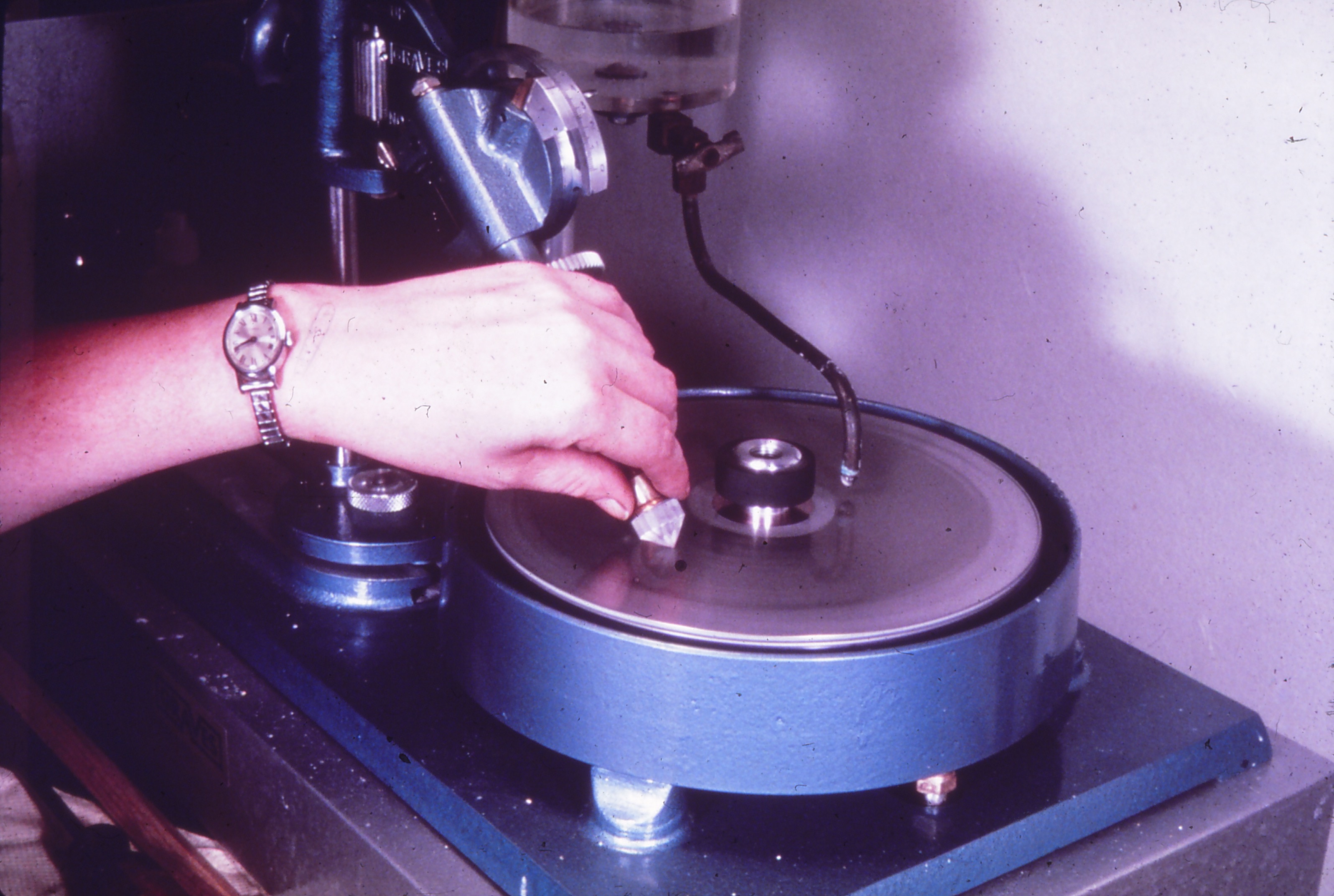
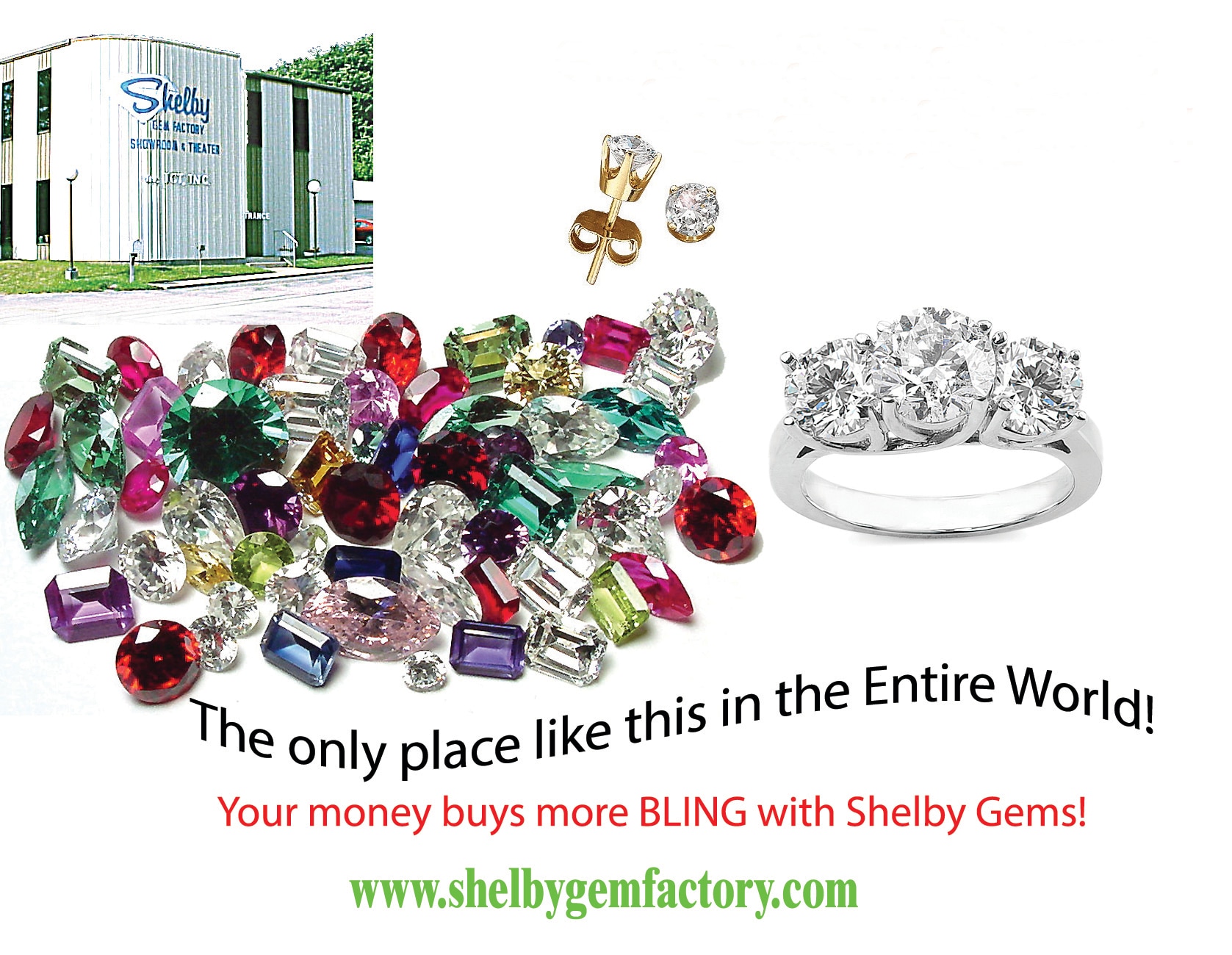
The pictures are of our factory and show our equipment and our personnel.
We started out pretty small.... only a gravel parking at at the time!
This was me at the beginning!
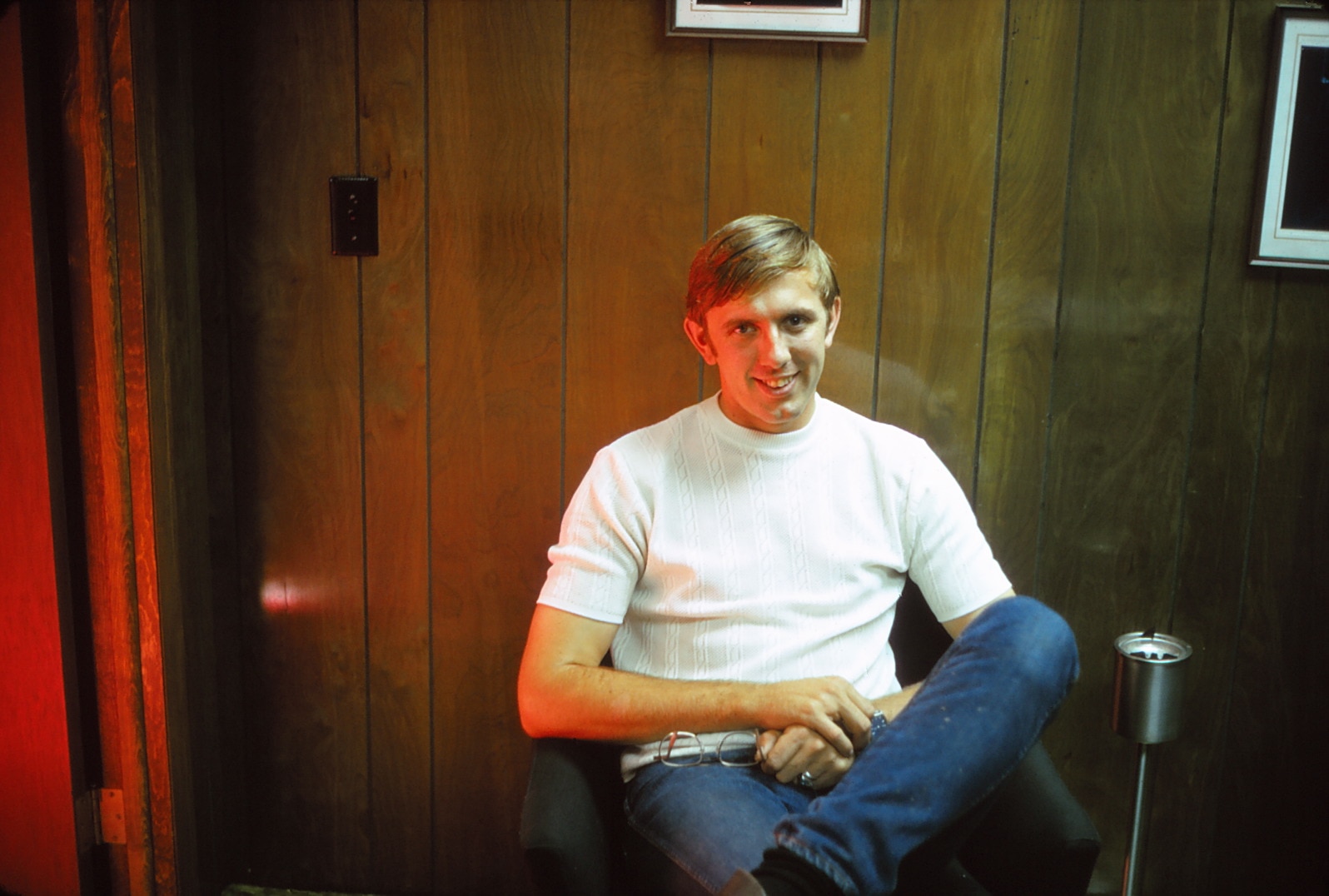
This is me now!

We make more kinds of gems than any other company on Earth!
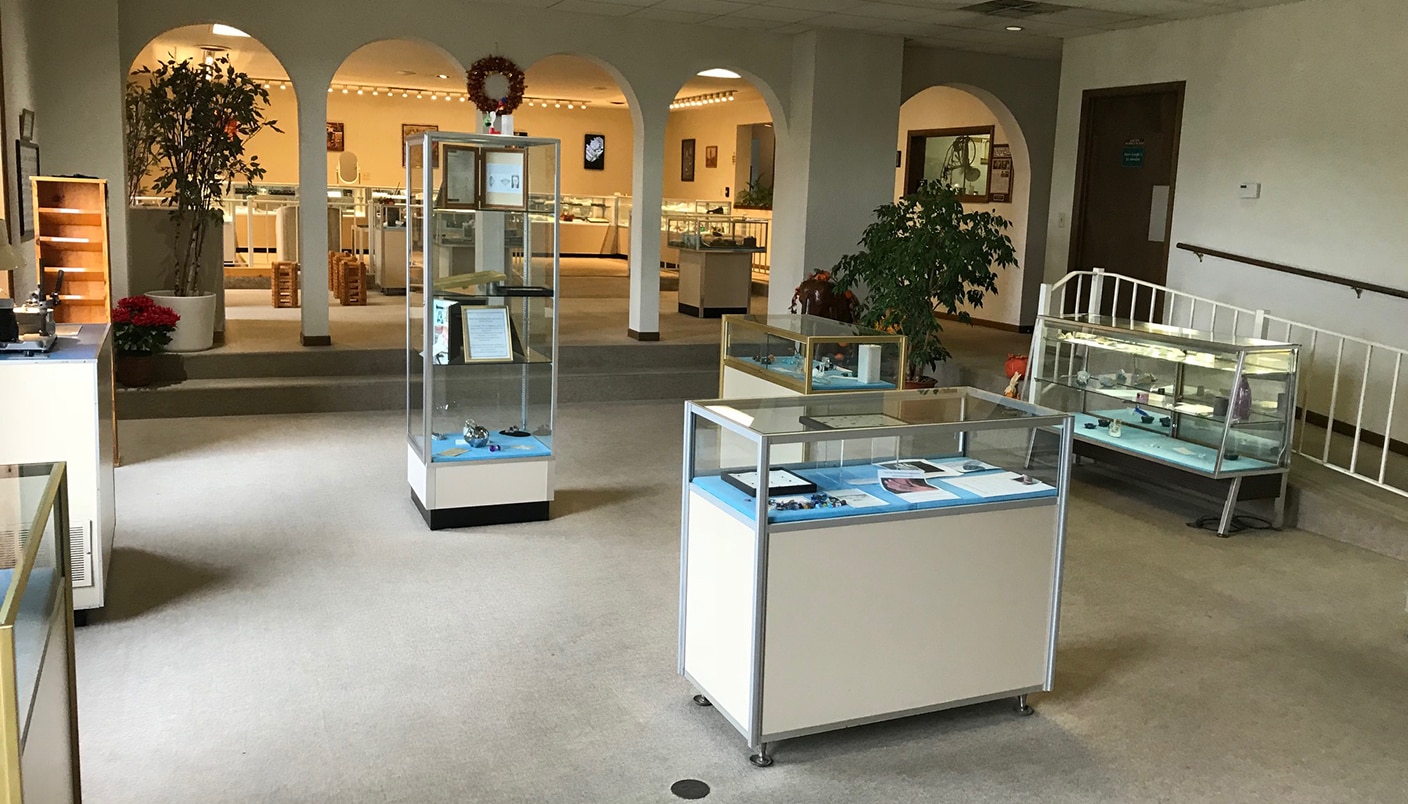
We have at least 500 items in our Showroom.
Please, Please support the USA, not stores with imported items!
Stop in and visit at any time, we'd love to see you!
We REALLY are the only company in the world that actually makes uncut gems.
Here's a picture of me (Larry Kelley) and my brother Bill monitoring a gem furnace. HOT!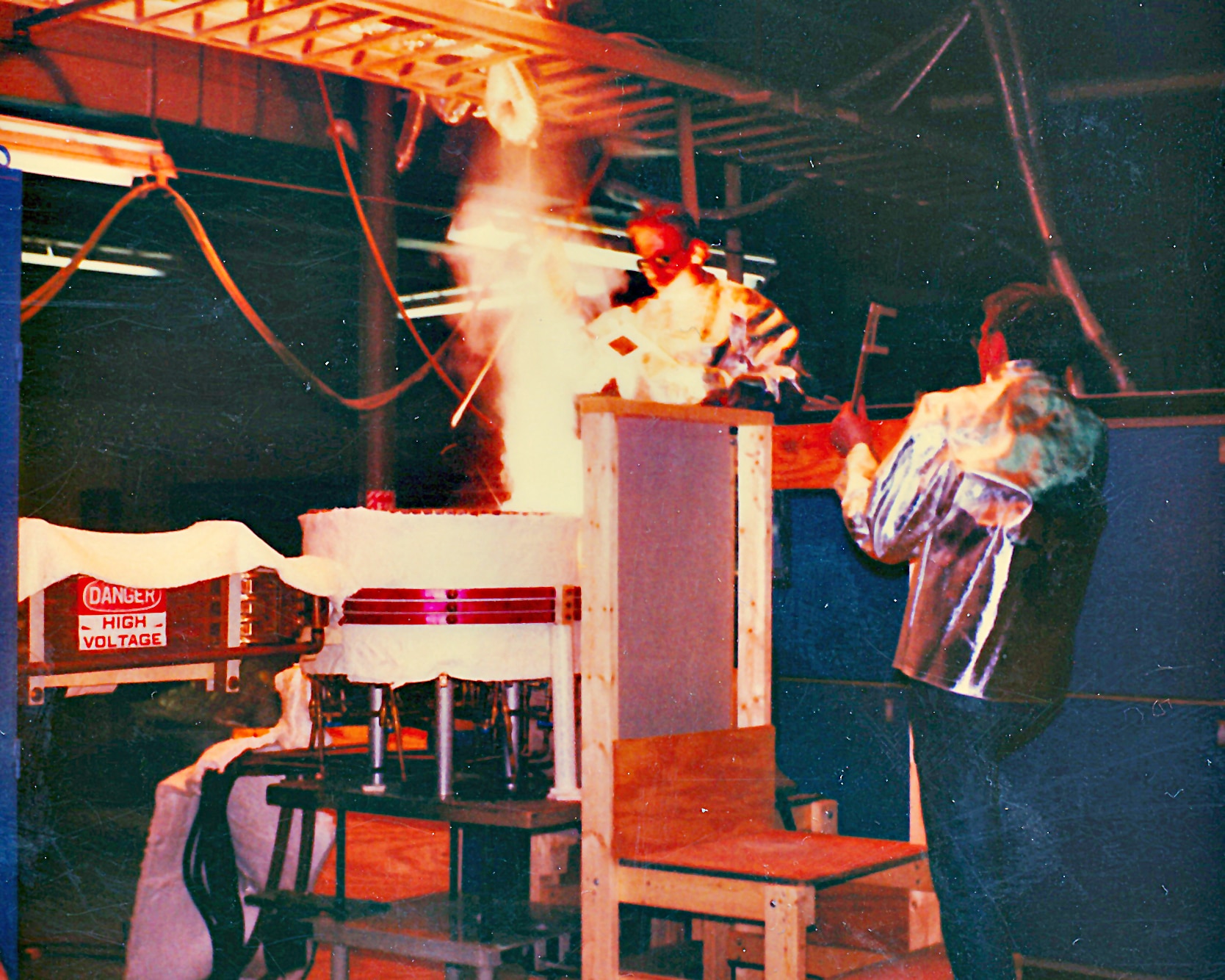
Below is a picture of Paul Hoffman removing a Simulated Emerald from a furnace.
A lady in New York facets them,
We set them here in Shelby.
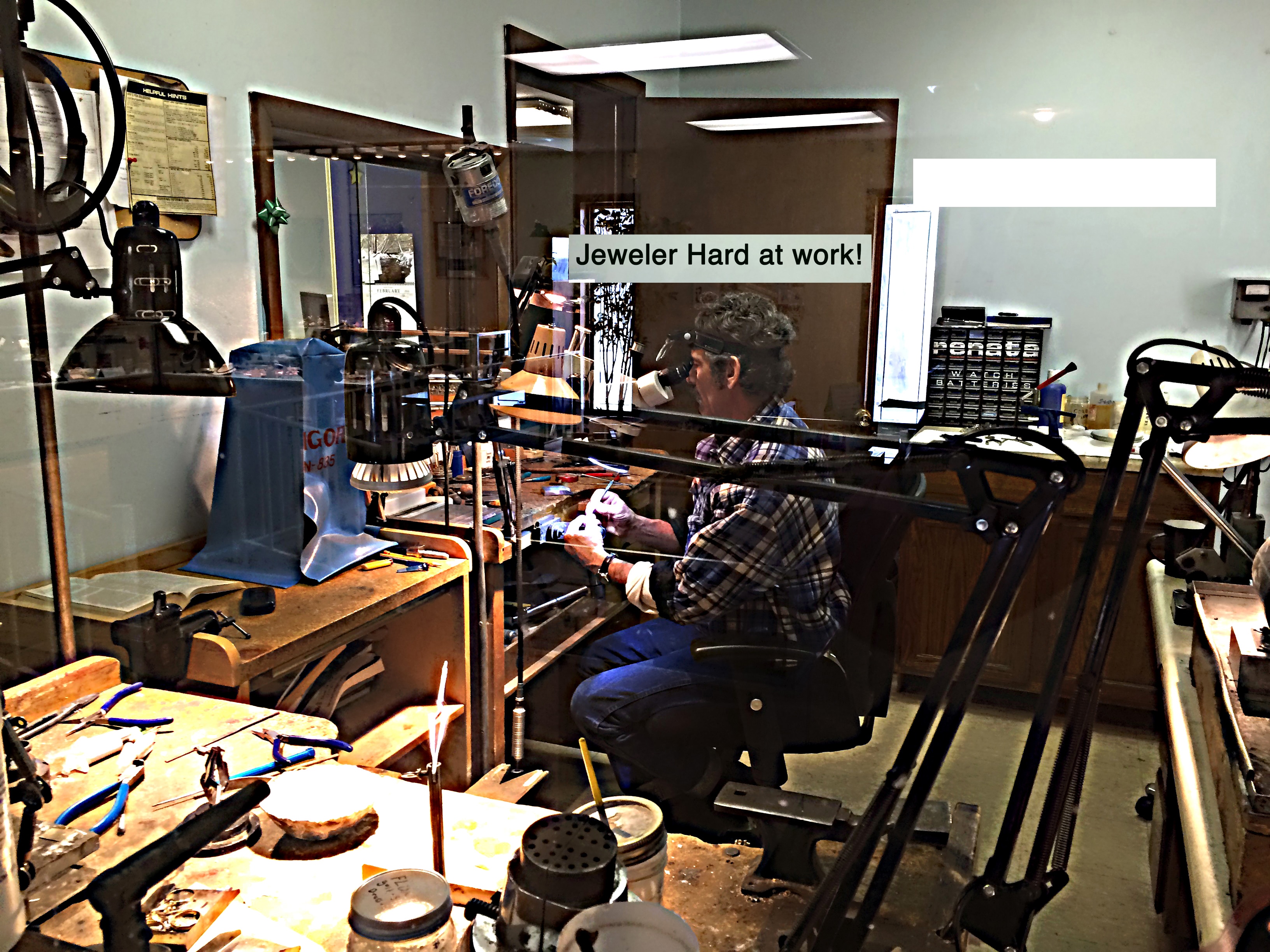
Lauro Martin...a darned good jeweler!
We invite you into our factory/theater/showroom to see how it is all done.
There are many companies who say they make synthetic gems.
All the ones we know buy already faceted gems and have their jewelry made in China, Korea, India or Thailand.
90% or maybe even higher of our mountings are made in the good old U.S.A.
We make more varieties of Synthetic and Imitation Gems than anyone else on Earth!
And we do it here in the USA!
We are open 51 weeks per year since 1970.
Many, many years of Very Happy Customers!
Recently, due to the high cost of gold we have started offering some items in 10 karat gold or Sterling silver.
Of course if you actually want an item made of Platinum or 18 karat gold...you can.
Guaranteed 3 ways!!
Damage guarantee!
Loss of gem guarantee!
After you receive your Shelby jewelry, examine it at no risk.
If you are not satisfied, return it undamaged within 15 days,
and we will immediately refund your money, no questions asked!
Our Shelby gems are also guaranteed (to the original recipient only) against damage, loss,
or permanent discoloration under normal wear when set by our jeweler.
There may be a very small repair or resetting charge.
NO need for expensive insurance!
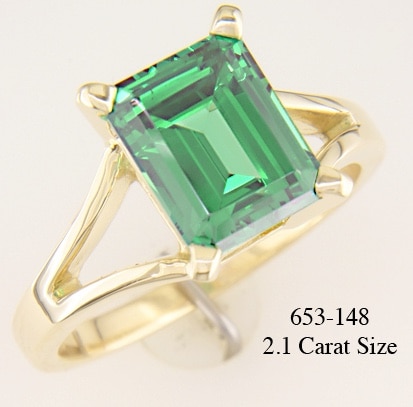
This beautiful ring above is made from solid 10kt yellow gold.
The gem is a 2.1 carat size Shelby simulated emerald.
Really a very pretty, well made ring.
Our simulated emeralds are in most ways better than natural emeralds.
Ours are much much harder and more sparkly.
Not to mention, they don't have the cracks and inclusions often found in natural emeralds.
AND... , like all of our gems,.. they come with our best in the business guarantee.
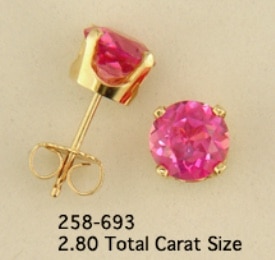
These are beautiful man made Hot Pink Sapphires mounted in 14kt gold.
Made in our high temperature crystal furnaces.
This solid 14 kt gold ring contains our Shelby Simulated Diamond
(Diamond Encore)
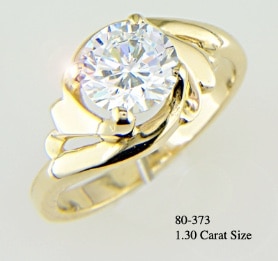 Natural looking gems you can afford.
You can maintain your standard of giving with Shelby Gems.
You can use the 'search box'
at the top-right of some pages to view
more pictures and details of the above jewelry,
just type in the item #.
Thank you and enjoy learning about Shelby Gem Factory.
Ground shipping of jewelry to the USA and Canada is free!!!
We can repair, resize and do custom work while you wait!
Call: (231) 861-9918 M-F 9-5:30, Sat 12-4
In these times of economic uncertainty, it is even more important to spend your
hard-earned money wisely.
You can always give a gift of lasting, beautiful jewelry when you shop with us.
You can use our secure shopping cart or if you wish,
You may fill out your shipping info and at the final checkout step you can choose to place your order by 'phoning' it in.
231 861-9918 ask for Jo or Larry or John
You do not need to enter your credit card information to order online.
The order will be e-mailed to us automatically.
Below is a nice bunch of Cadillacs out on a shopping spree!
What better place to shop!
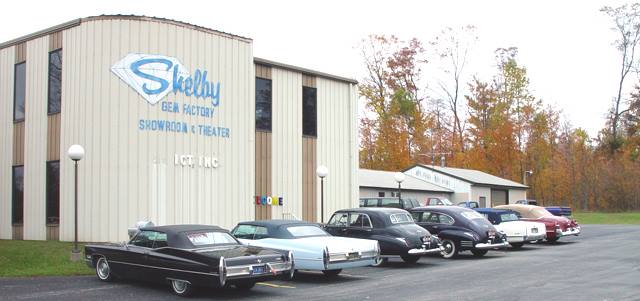
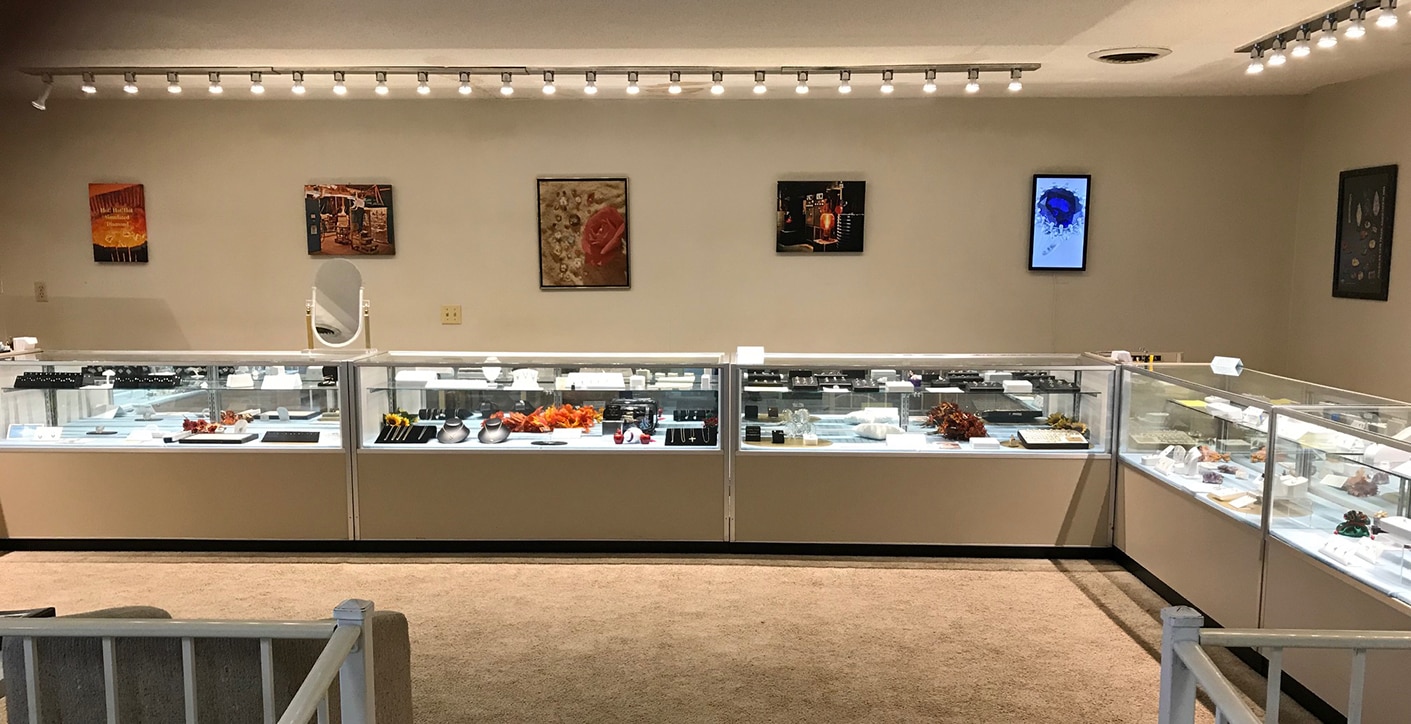
Here are two views of our showroom.